Steering a design-led rebuild of our most complex product
Background
Market Pricing had already proven it could be the tip of the spear for our enterprise segment, the product that got companies like McDonald's, Bumble, and Ericsson in the door. It was also the product in our app that even the team building it couldn't explain. Instead of taking the time to fix it, it had become the messy basement everyone avoided. The team kept adding features and febreezed whenever someone complained of a smell.
That strategy caught up with us. McDonald's threatened to churn. Bumble paid an outside consultant instead of using the product. Engineers were stuck in permanent triage. The team's fix was a backlog of tickets to add polish—six months and a hundred tickets later, nothing had changed. It was too costly to support customers with all the issues in the product so the company put Market Pricing on lockdown: stop selling it until it's usable.
My approach
I'd just become the design team's manager and wasn't asked to join the effort, but I reached out to the Product Director and proposed we rethink staffing before we rush to solutions. Pressuring the existing designer to produce faster wasn't going to get us out of this. Instead I split the work into two tracks: a scoped short-term fix to rebuild trust with customers, and a longer-term structural rebuild to fix the root cause. I paired our strongest systems thinker with the designer already on the product, partly to bring a fresh angle in and partly to push his own thinking somewhere new. I got into Figma myself, both to understand the complexity well enough to coach and to earn credibility with a team that had every reason to be skeptical of a two-month-old manager showing up uninvited.
Short-term track
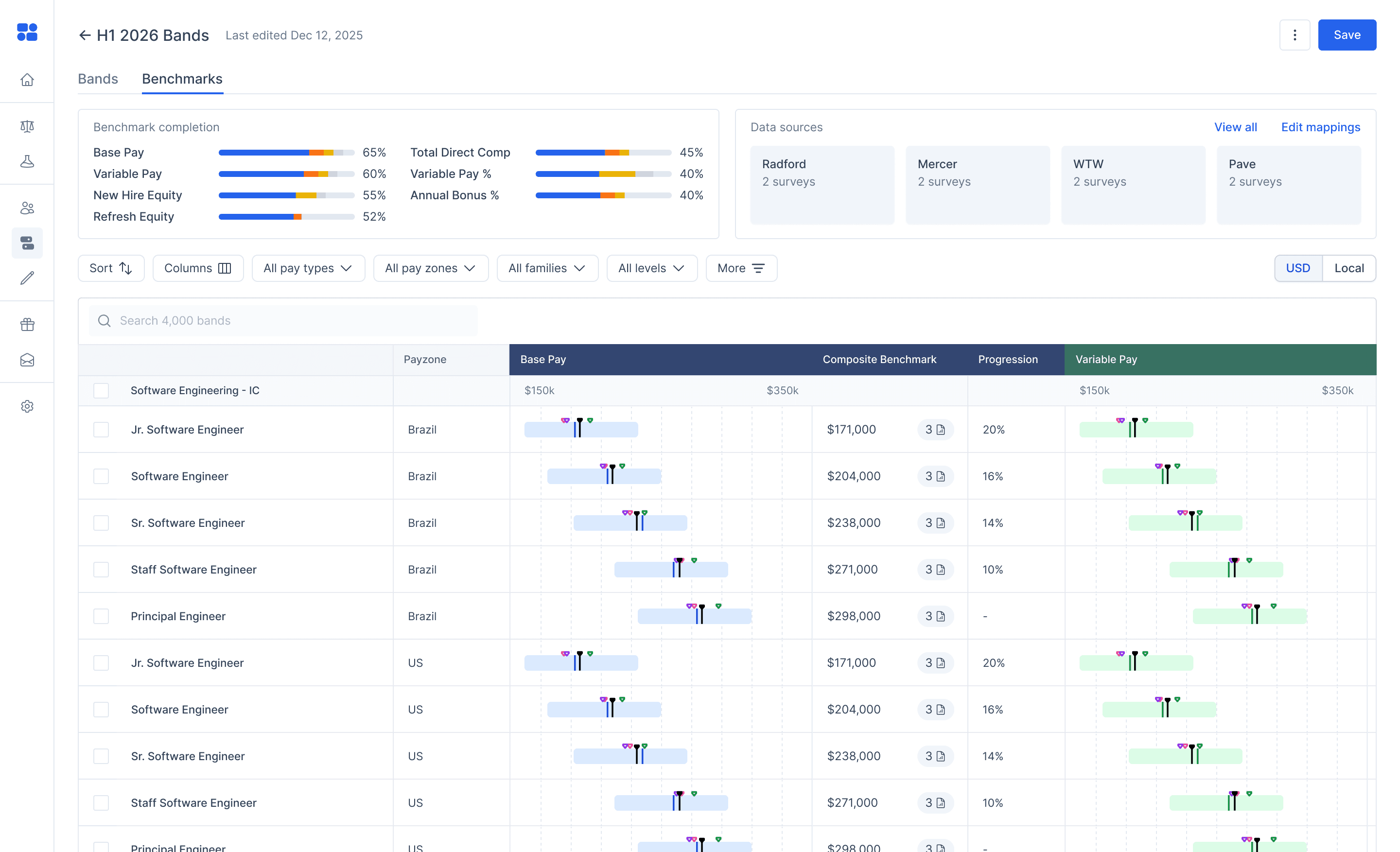
We picked one high-value surface area McDonald's had specifically pushed for, and rather than knock out their requests as tickets, I joined design jams to make sure we didn't just complete them, we overdelivered. I coached the designer to explore more broadly, and after a few iterations we landed on a far more compelling experience.
Even though it was small in scope, the new designs instilled confidence in our team's ability to make meaningful improvements. The designer presented it to McDonald's and tense conversations turned into optimism almost immediately. It also bought us the trust to keep going with the fuller redesign.


Long-term track
On the long-term track, I gave our systems designer room to think past the current product entirely, and what came back was the ambitious, structural proposal I was hoping for. I worked with her to distill it into a few core principles the team could align around, then we shaped the story together before she presented it to stakeholders.
The CEO's response: "this is the right direction."

Setting a new bar for craft
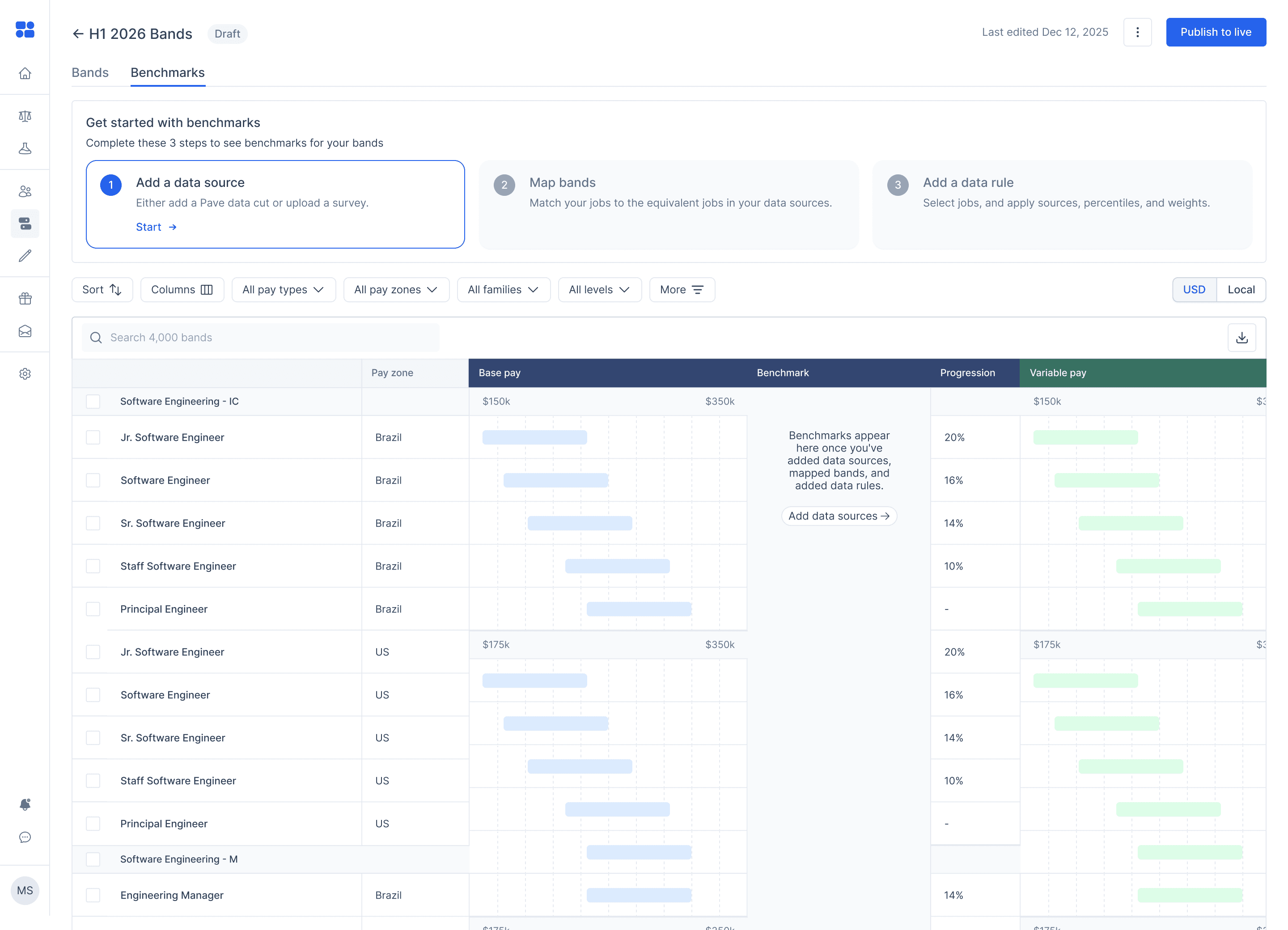
The team that had been shipping bandaids was now fully leaned in. They addressed states that used to be afterthoughts and invested in polish on visual details. They pushed for self-serve and onboarding flows, work that had typically been descoped after years of being set up to complete workflows on customers' behalf rather than let them self-serve.


Impact
GA launched on schedule in July 2026. Feedback has been overwhelmingly positive. The team is in great health and continuing to push on new projects. Market Pricing went from the team nobody wanted to staff to one of the healthiest at the company.
▲
+2.2 CSAT score (2 to 4.2)
▲
$450k contract value after churn risk
▲
60% increase in customers completing self-serve workflows
"
Creating the job is really smooth... With this, our team is planning to create the jobs in Pave as the source of truth. -Okta
"
It's a really big difference from when we used it last year and a lot easier to use. –Bumble
Limor Zisbrod
© 2026–∞